
PVC y Etileno acetato de vinilo (EVA) El PVC y el EVA son dos materiales poliméricos ampliamente utilizados, con características de rendimiento y áreas de aplicación diferentes. Este artículo analizará exhaustivamente las características de rendimiento del PVC y el EVA desde múltiples perspectivas para determinar qué material es mejor.
1. Características de rendimiento del PVC
El PVC, o cloruro de polivinilo, es un compuesto polimérico con excelentes propiedades eléctricas, propiedades mecánicas, estabilidad química y resistencia a la abrasión.
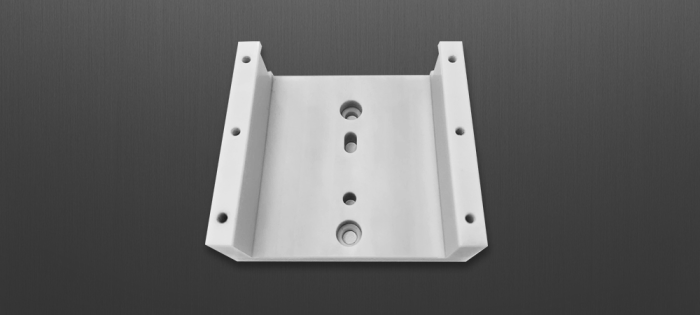
Las principales ventajas incluyen:
Excelente aislamiento eléctrico: El PVC posee excelentes propiedades de aislamiento eléctrico, con una baja constante dieléctrica y bajas pérdidas dieléctricas, además de una alta resistencia al arco eléctrico. Estas excelentes propiedades eléctricas hacen que el PVC sea ampliamente utilizado en el campo de la electrónica, por ejemplo, en la fabricación de cables y alambres, y en carcasas de condensadores.
Excelentes propiedades mecánicas: El PVC posee alta resistencia a la tracción, a la flexión y al impacto, además de buena resistencia a la abrasión y a la intemperie. Estas excelentes propiedades mecánicas hacen que el PVC se utilice ampliamente en diversos campos, como la fabricación de tuberías, puertas, ventanas y suelos.
Buena estabilidad química: El PVC presenta una buena resistencia a la mayoría de los disolventes orgánicos, ácidos y álcalis. Esta estabilidad química hace que el PVC sea ampliamente utilizado en el sector químico, por ejemplo, en la fabricación de equipos de laboratorio y tuberías químicas.
Excelente resistencia a la abrasión: Los productos de PVC poseen una elevada dureza superficial, lo que les confiere una buena resistencia a la abrasión. Esto permite su uso prolongado en entornos hostiles, como fábricas y minas.
Sin embargo, la sostenibilidad ambiental de los productos de PVC ha sido objeto de controversia. Esto se debe a que la producción y el uso de PVC generan sustancias nocivas, como dioxinas y monómero de cloruro de vinilo. Estas sustancias representan un riesgo potencial para la salud humana y el medio ambiente.
2. Características de rendimiento de la EVA
El EVA, o copolímero de etileno-acetato de vinilo, es un material polimérico con excelente flexibilidad, resistencia a la abrasión, resistencia al agua y propiedades antibacterianas.
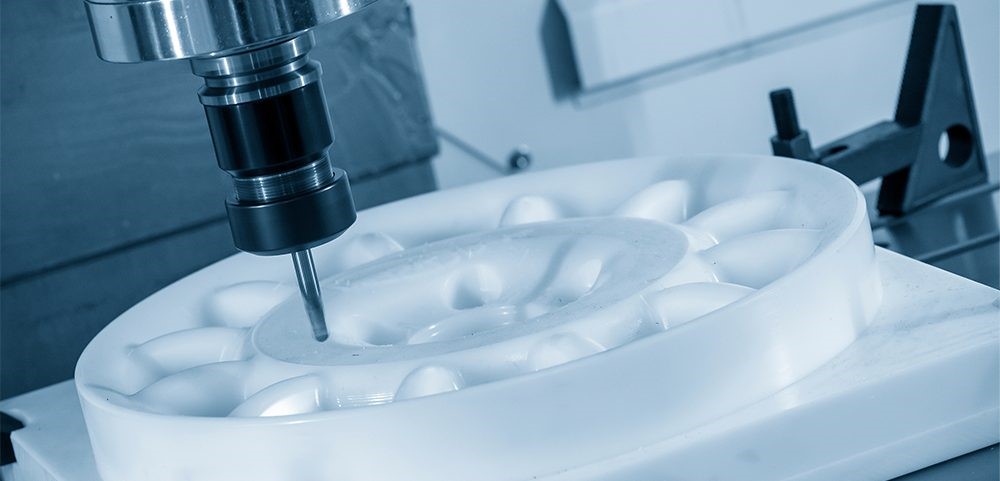
Las principales ventajas incluyen:
Buena flexibilidad: EVA (como EVA 5110JEl EVA posee una excelente flexibilidad, lo que permite doblarlo sin que se rompa fácilmente. Esto hace que se utilice ampliamente en aplicaciones que requieren doblado frecuente, como en la fabricación de suelas de calzado deportivo y tiras de sellado.
Buena resistencia a la abrasión: EVA (comoEVA V6110SLos productos de EVA tienen una dureza superficial moderada, lo que les confiere una buena resistencia a la abrasión. Esto permite utilizarlos durante periodos prolongados en entornos hostiles, como fábricas y minas.
Excelente resistencia al agua: El EVA posee una excelente resistencia al agua, lo que evita eficazmente la penetración de la humedad. Por ello, el EVA se utiliza ampliamente en aplicaciones que requieren impermeabilización, como impermeables y calzado impermeable.
Excelentes propiedades antibacterianas: El EVA posee ciertas propiedades antibacterianas que inhiben eficazmente el crecimiento y la reproducción bacteriana. Esto hace que el EVA sea ampliamente utilizado en aplicaciones que requieren propiedades antibacterianas, como dispositivos médicos y envases de alimentos.
Sin embargo, el EVA tiene poca resistencia a altas temperaturas, deformándose y descomponiéndose fácilmente a temperaturas elevadas. Esto limita su aplicación en algunos campos de alta temperatura.
3. Áreas de aplicación del PVC y la EVA
Debido a que el PVC y el EVA tienen características de rendimiento diferentes, sus áreas de aplicación también difieren. El PVC se utiliza principalmente para fabricar cables, tuberías, puertas y ventanas, suelos, etc., mientras que el EVA se utiliza principalmente para fabricar suelas de calzado deportivo, burletes, impermeables, zapatos impermeables, etc. En aplicaciones que requieren múltiples propiedades, como dispositivos médicos y envases de alimentos, a veces se mezclan o combinan PVC y EVA para mejorar el rendimiento del producto.
En conclusión, tanto el PVC como el EVA tienen sus ventajas y desventajas, y la elección del material más adecuado depende de la aplicación y los requisitos específicos. Al elegir entre PVC y EVA, es necesario considerar de forma integral factores como el rendimiento del producto y el respeto al medio ambiente para seleccionar el material más apropiado que cumpla con los requisitos de la aplicación.
Sitio web: www.elephchem.com
WhatsApp: (+)86 13851435272
Correo electrónico: admin@elephchem.com



 Soporta red IPv6